The kitchen is one of the most familiar rooms in the world, a place of warmth, flavor, and family. Yet it is also, quietly, one of the most mathematical places in any home. Every recipe is an exercise in ratio and proportion, every bake a lesson in chemistry and measurement, and every meal a small triumph of timing and judgment. To cook is to practice mathematics, whether one realizes it or not. Seeing the kitchen this way transforms both cooking and mathematics, revealing the numbers hidden inside the food we love and the beauty hidden inside the numbers we learn. It is exactly this kind of connection, between the everyday and the abstract, that the United Kingdom Mathematics Trust seeks to inspire in young people, showing that mathematics is not confined to the classroom but woven into the very fabric of daily life.
A Recipe for Discovery
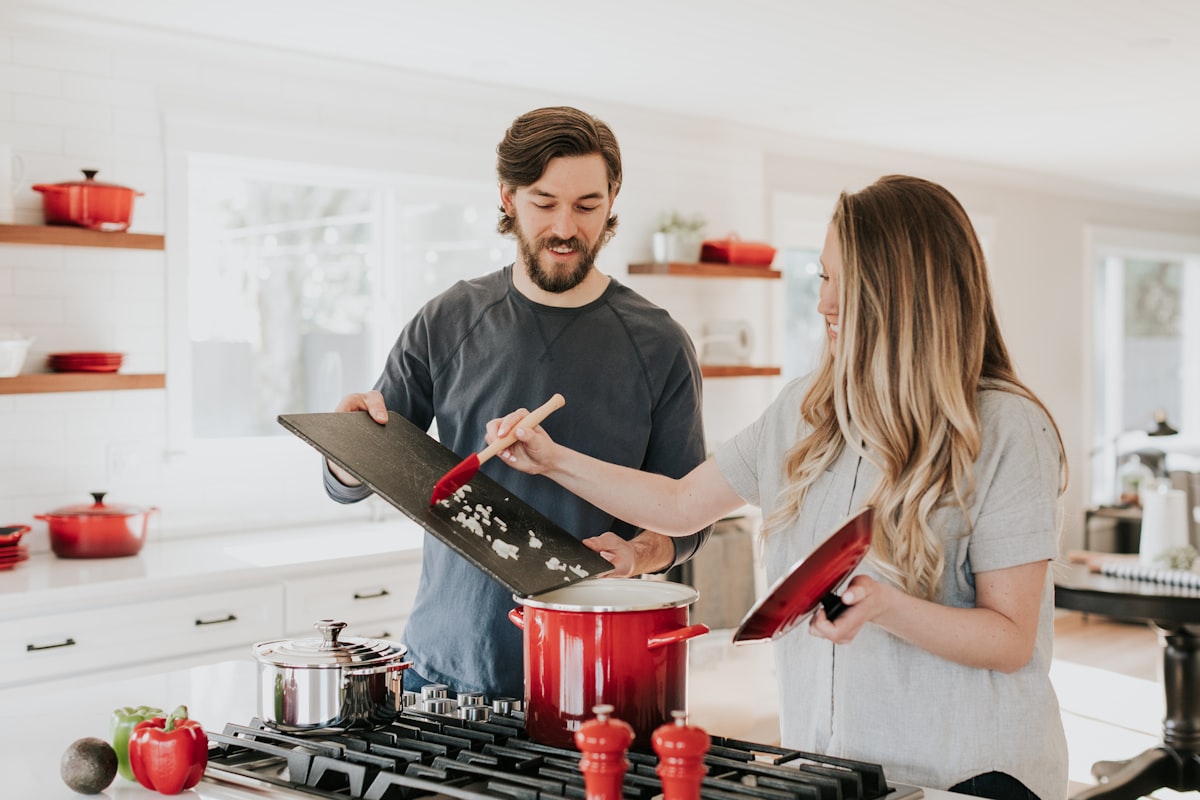
Think for a moment about what a recipe really is. It is a set of instructions that transforms a collection of simple ingredients into something entirely new. It specifies quantities, proportions, sequences, times, and temperatures. In other words, a recipe is a precise mathematical specification, and following it successfully requires exactly the kind of careful, systematic thinking that mathematics cultivates.
What makes the kitchen such a wonderful place to encounter mathematics is that the results are immediate, tangible, and delicious. A mistake in proportion produces a flat cake; a miscalculation in timing produces a burnt dish. The feedback is honest and unmistakable, which makes the kitchen a gentle but demanding teacher of numerical reasoning. Students who learn to cook are, without realizing it, developing the same habits of precision, proportion, and planning that serve them in any mathematical pursuit.
This is the spirit behind the UKMT approach: to show that mathematics is alive, practical, and rewarding. When a student sees that the fractions and ratios studied in a lesson are the very tools that turn flour and sugar into a cake, mathematics stops being abstract and becomes something they can hold in their hands, or rather, taste on their tongue.
Ratios: The Heart of Every Recipe
If there is one mathematical idea that rules the kitchen above all others, it is the ratio. Professional bakers speak not of fixed amounts but of ratios, the relationship between the weights of different ingredients. Bread, for instance, is often described as roughly five parts flour to three parts water, with a little yeast and salt added. This simple ratio captures the essence of the recipe far better than any fixed list of quantities ever could, because it works whether you are making one loaf or one hundred.
Understanding ratios is what separates a cook who merely follows instructions from one who truly understands food. When you know that a pastry is one part water to two parts fat to three parts flour, you can scale it up or down, adjust it, and improvise with confidence. You can also begin to see why some recipes work and others fail, because the structure of the ratio determines the structure of the result. A batter with too much liquid spreads too thin; a dough with too little water never comes together.
This is the mathematics of proportion at its most practical. Students who master ratios in school are not merely passing a test; they are gaining a tool that will serve them in cooking, in science, and in countless real situations. UKMT problems frequently call on this same proportional reasoning, helping students see that the skill is both powerful and widely useful.
Baking is Chemistry, and Chemistry is Numbers
Baking, in particular, is a form of edible chemistry, and chemistry is written in the language of numbers. When flour, water, yeast, and salt come together, a cascade of chemical reactions begins. Yeast consumes sugars and produces carbon dioxide, the tiny bubbles of which become trapped in the elastic network of gluten and cause the dough to rise. The baker who understands this process understands why temperature, time, and proportion matter so enormously.
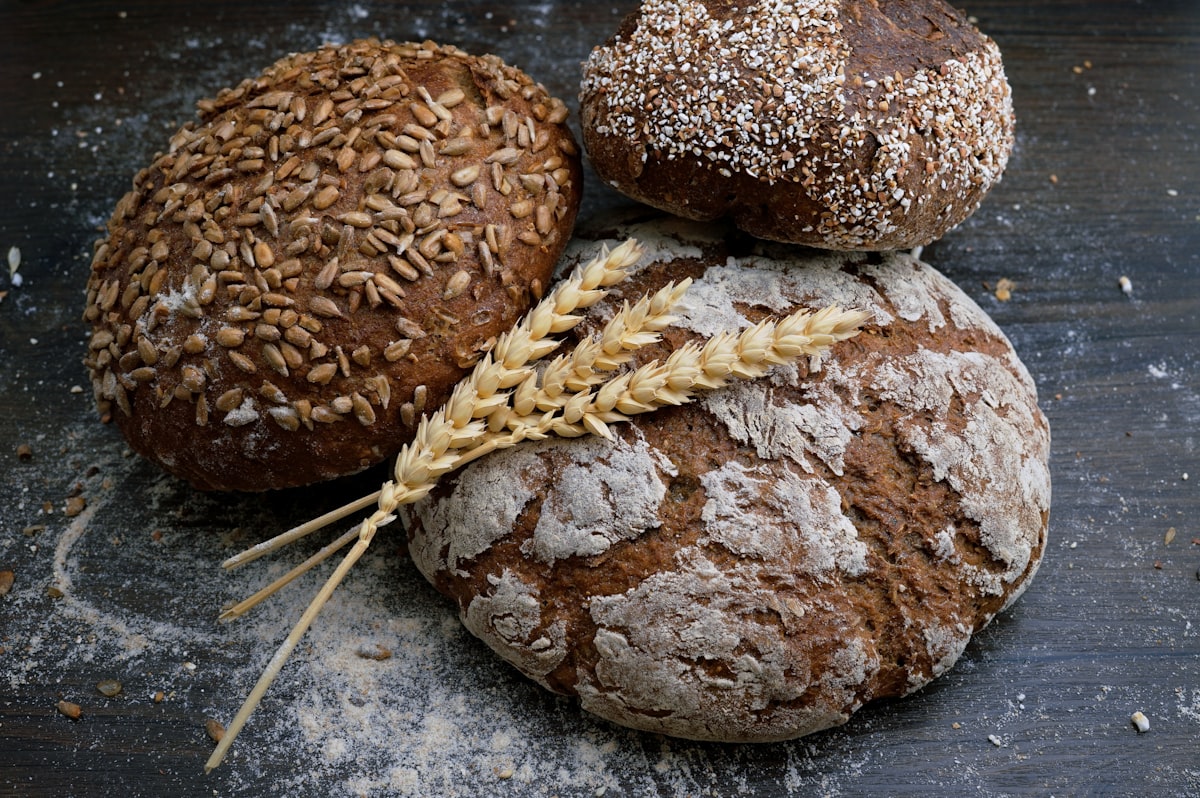
The growth of a dough as yeast works is a beautiful example of exponential change, the kind of rapid, multiplying growth that mathematics describes so elegantly. Under the right conditions, a population of yeast can double again and again, and the volume of the dough rises accordingly. This same mathematical pattern of growth appears throughout science, in the spread of ideas, the growth of savings, and the behavior of populations. A loaf of bread is, in its humble way, a lesson in one of the most important patterns in nature.
Here is a perfect example of how a familiar, comforting activity can open a window onto deep mathematical ideas. The student who watches dough rise and wonders why is already thinking like a scientist and a mathematician, and that sense of wonder is precisely what UKMT hopes to nurture.
Fractions in the Kitchen: Dividing, Doubling, and Scaling
Few places use fractions as constantly as the kitchen. A recipe calls for three quarters of a cup, half a teaspoon, or a third of a packet. Doubling a recipe means multiplying every quantity by two; halving it means dividing by two. Cutting a pizza or a cake means dividing a whole into equal parts and understanding how those parts relate to each other. Fractions are not an abstract school topic here; they are the daily currency of cooking.
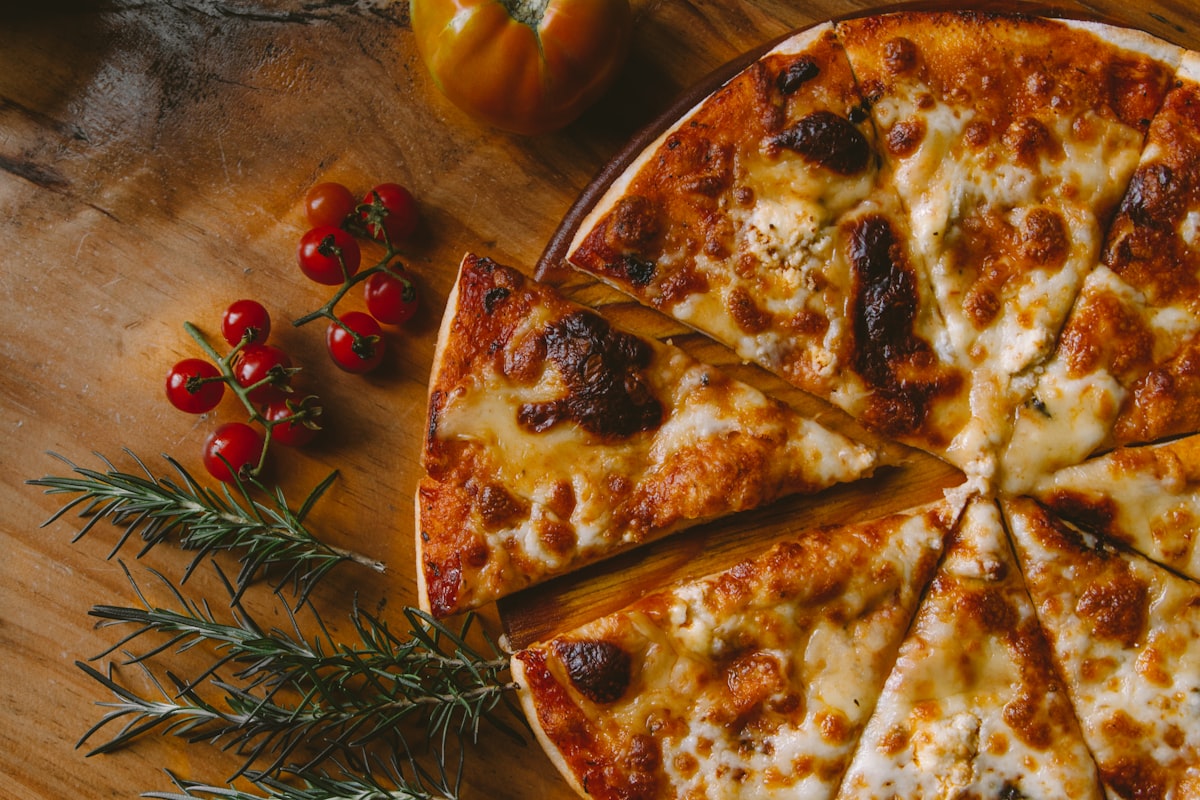
Consider the simple act of sharing a pizza among friends. If there are eight slices and four people, each receives two slices, or one quarter of the whole. If a fifth person arrives, the mathematics changes, and the group must rethink the division. These everyday negotiations are genuine exercises in fractions, fairness, and proportional reasoning, and children who encounter them are building intuition that will serve them in formal mathematics for years to come.
Scaling a recipe up or down is an even richer exercise. To serve ten people instead of four, every ingredient must be multiplied by the same factor, and the cook must keep track of many quantities at once. This is the mathematics of proportional scaling, a skill central to algebra and to problem-solving in general. It is one of the many ways the kitchen quietly teaches the mind to think mathematically.
Geometry on the Plate: Shape, Symmetry, and Presentation
Food is not only tasted; it is seen, and the appearance of a dish is governed by geometry. The symmetry of a perfectly round cake, the even spacing of slices, the golden ratio of a well-proportioned plate, and the careful arrangement of a garnish all draw on the mathematics of shape and space. Great chefs are, in their way, geometers and artists, composing their dishes with an eye for balance and proportion.
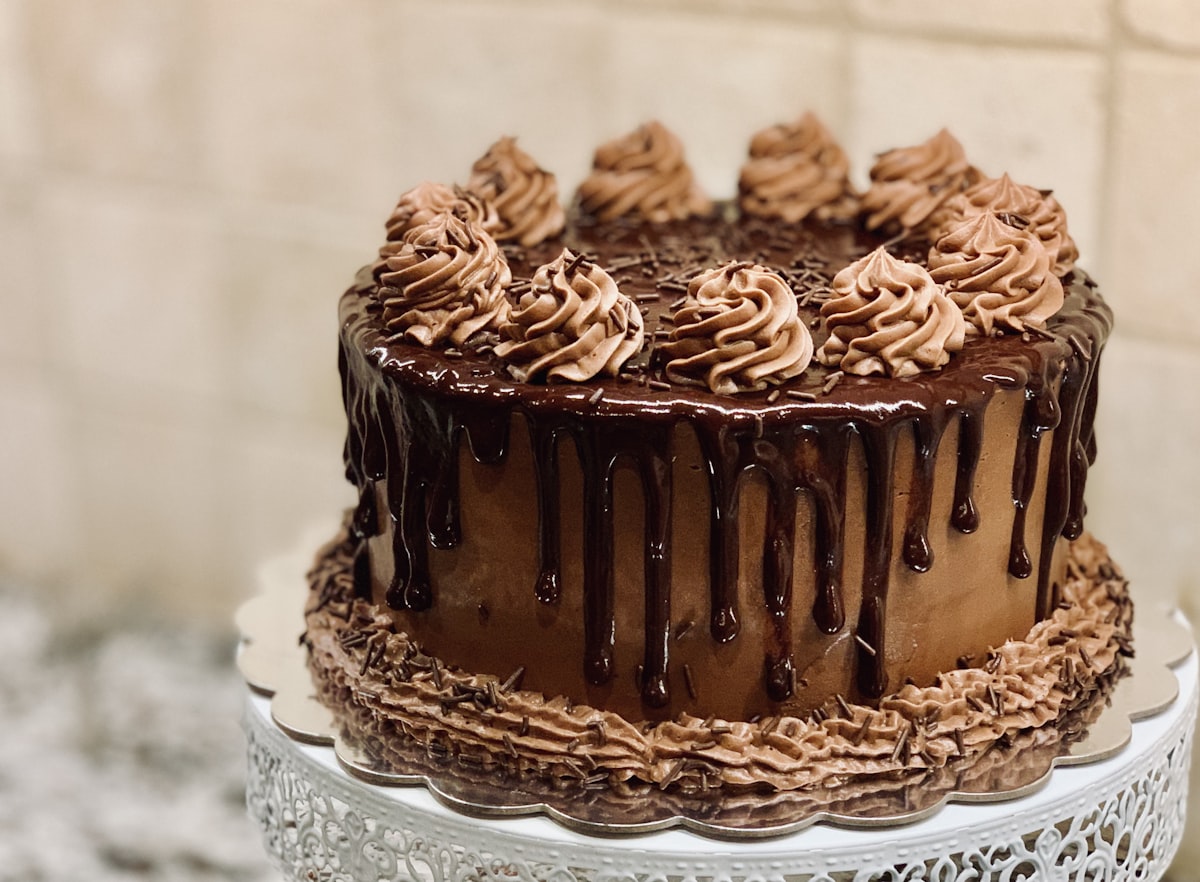
The geometry of baking is also practical. The shape of a tin determines how heat spreads through a mixture and therefore how it cooks. A deep, narrow tin and a shallow, wide one will bake the same volume of batter very differently, because the surface area exposed to heat changes with shape. Understanding surface area and volume, two central ideas of geometry, helps a baker predict and control the outcome of a bake.
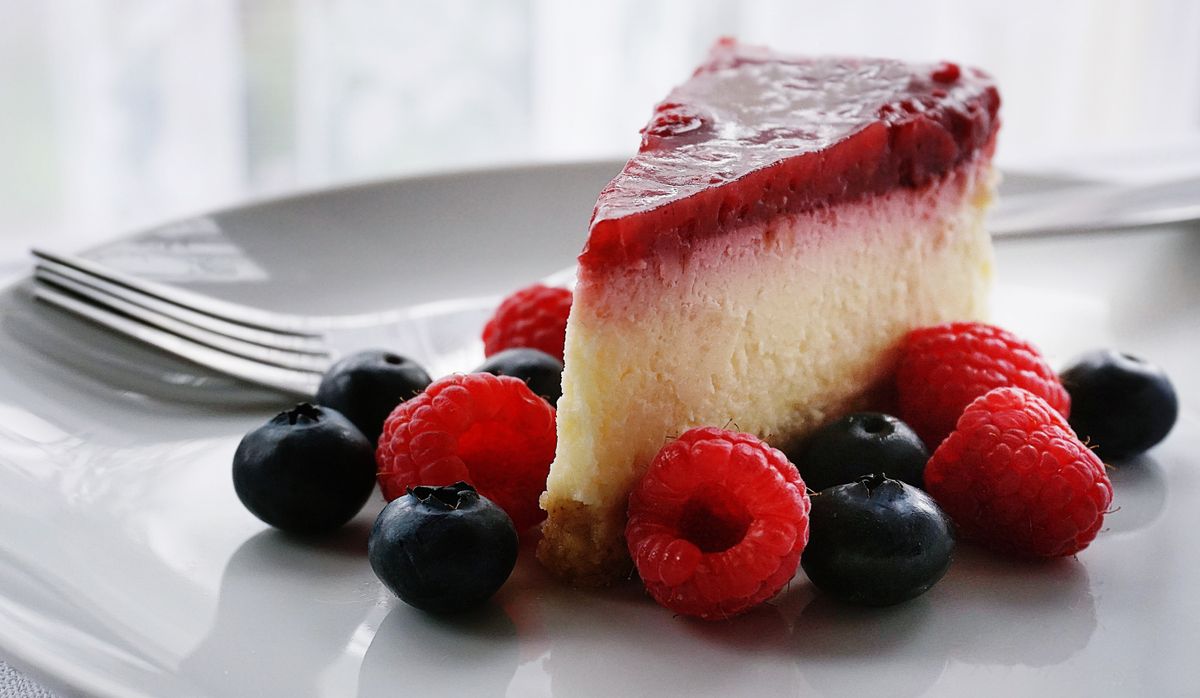
Even the humble slice of cake involves geometry. Cutting a round cake into equal portions requires an understanding of angles and symmetry, and the classic problem of how to cut a cake fairly among many people has fascinated mathematicians for generations. In these small, sweet examples, students can see that geometry is not remote but all around them, and that the eye for shape cultivated in mathematics enriches even the art of cooking.
Heat and Time: The Mathematics of Cooking
Cooking is, at its heart, the controlled application of heat over time, and both heat and time are quantities that mathematics describes precisely. Roasting, boiling, baking, and simmering each involve a transfer of energy into food, and the rate of that transfer determines the result. A dish cooked too hot and too fast may burn outside while remaining raw within; a dish cooked gently and slowly will transform gradually and evenly.
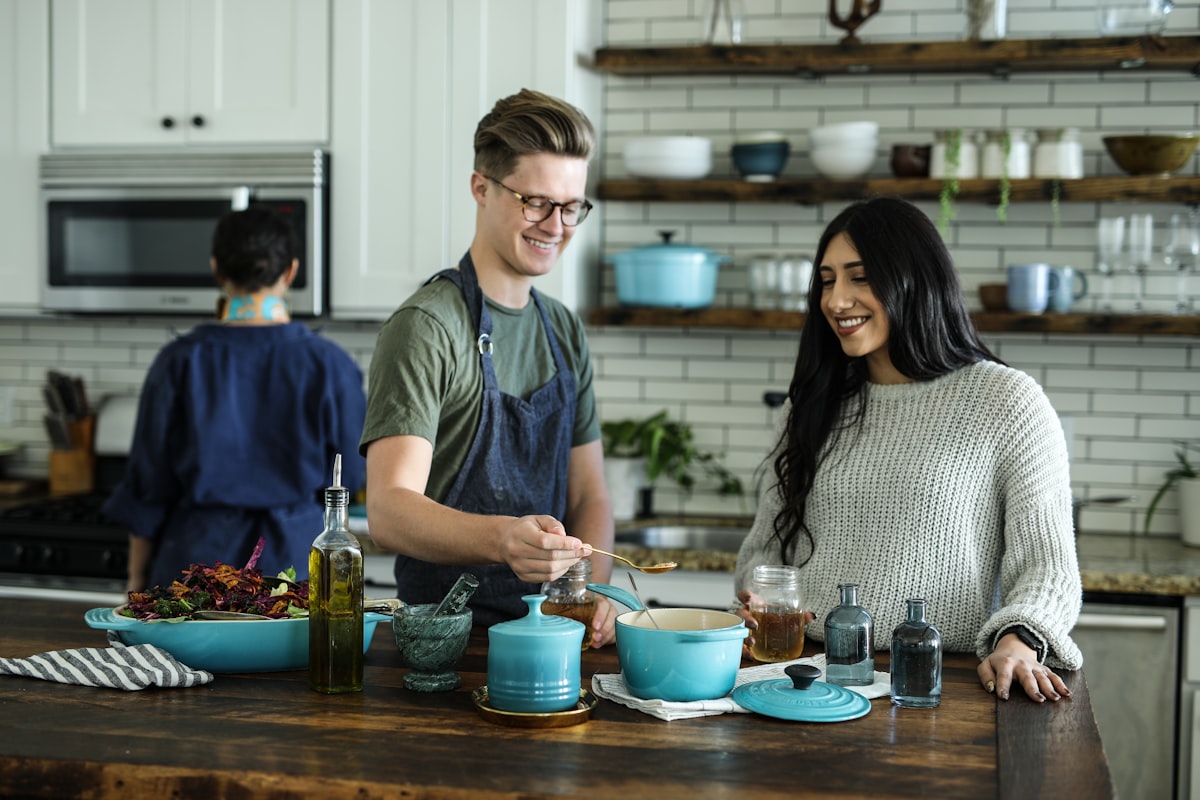
The relationship between temperature, time, and the size of what is being cooked is a subtle one. A larger piece of meat takes longer to cook not simply because it is bigger, but because heat must travel from the surface to the centre, and the time this takes grows with thickness. This is why doubling the weight of a roast does not simply double the cooking time; the mathematics of heat flow is more nuanced than that. Understanding rates of change, the way one quantity changes as another changes, is exactly the kind of reasoning that students develop when they study mathematics of motion and change.
The kitchen, then, is a natural laboratory for understanding how quantities evolve over time. The patient cook who learns to judge when a dish is ready is developing an intuitive feel for rates and change, the same intuition that mathematics formalizes and extends. It is one more way that the everyday art of cooking quietly trains the mathematical mind.
Combinations and Flavor: The Combinatorics of Spices
The spice rack is another place where mathematics hides in plain sight. Cooking is an art of combination, of bringing together different ingredients in just the right way, and the number of possible combinations can be astonishingly large. With a modest collection of herbs and spices, the number of distinct blends one can create is enormous, and understanding how combinations grow is a classic problem in the mathematics of counting, known as combinatorics.
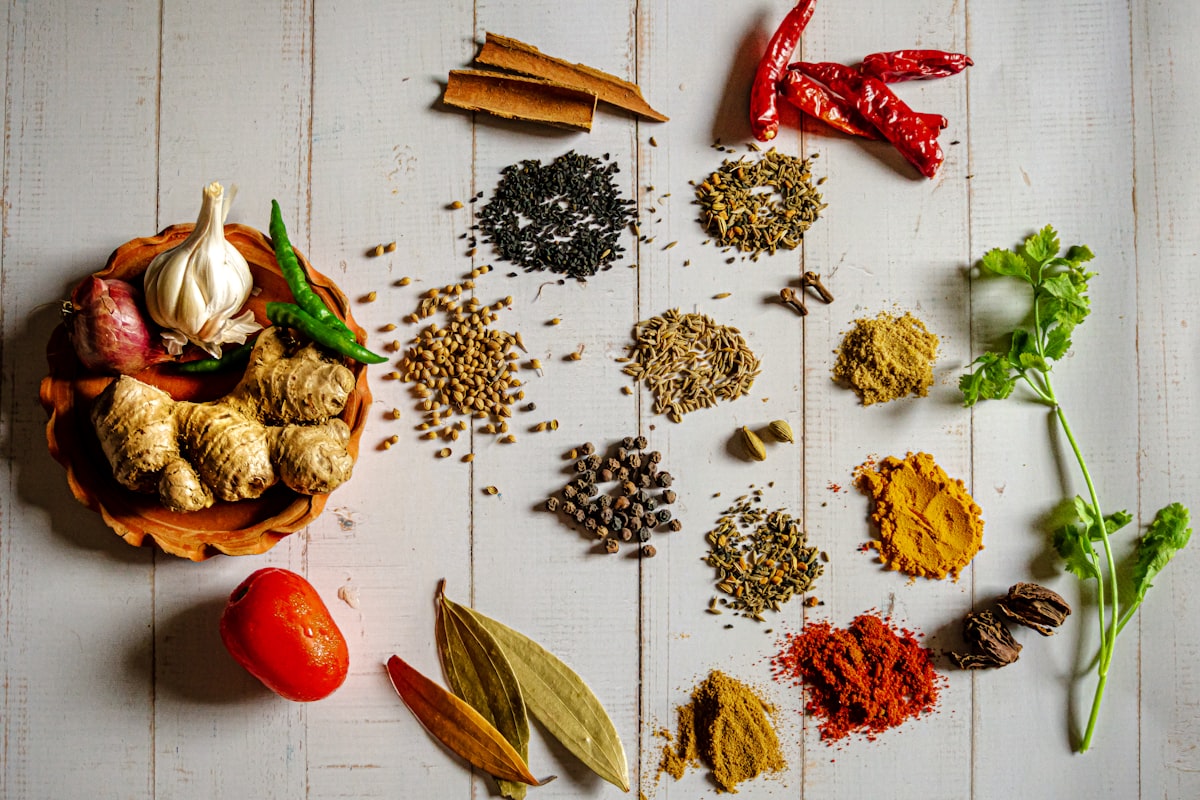
If a cook has six different spices and wishes to choose any three of them, the number of possible blends is far larger than most people first guess, because the order and selection of the spices combine in many ways. This rapid growth of possibilities is a recurring theme in mathematics, appearing wherever we count arrangements, selections, and combinations. It is also the mathematics that underlies probability and computer science, showing how a simple question about spices connects to some of the most important ideas in the subject.
Balancing flavors is also an exercise in proportion and judgment, the same reasoning used to balance the ingredients of a recipe. The cook who learns to taste and adjust, to add a little of this and a little less of that, is practicing a refined form of quantitative thinking. UKMT challenges reward exactly this balance of careful analysis and intuitive judgment, showing that good mathematics, like good cooking, calls for both precision and feel.
Recipes are Algorithms: Following a Sequence of Steps
A recipe is, in its structure, very much like the algorithms that power modern computing. It is a sequence of steps that must be carried out in the right order to achieve the desired result. Sift the flour, then mix the wet ingredients, then combine them gently, then bake for a set time. Change the order, skip a step, or misread an instruction, and the outcome suffers, just as a computer program produces the wrong answer when its steps are jumbled.
Thinking of a recipe as an algorithm is a powerful idea, because it reveals that the habit of breaking a big task into an ordered series of smaller steps is one of the most useful skills in both cooking and mathematics. Professional kitchens run on this discipline, coordinating many steps and many dishes so that everything arrives at the table at the right moment. This kind of planning, sequencing, and coordination is algorithmic thinking, and it lies at the heart of problem-solving in every field.
Students who learn to follow and construct careful sequences of reasoning are building a skill of enormous value, one that reaches from the kitchen to the computer to the mathematics competition. UKMT, by rewarding clear, well-organized solutions, encourages exactly this algorithmic habit of mind.
Estimation and Judgment: The Mathematics of Intuition
For all its precision, cooking also depends on a skill that mathematics values highly but rarely names: estimation. The experienced cook does not measure every grain of salt; they learn to judge by eye, to estimate quantities, times, and temperatures, and to adjust on the fly. This kind of informed estimation is not the opposite of mathematics but one of its highest forms, a quick, practical application of number sense and experience.
In mathematics, the ability to estimate and to check whether an answer is reasonable is invaluable. A student who can look at a problem and sense whether their answer is in the right range has developed a powerful safeguard against error. The cook who glances at a sauce and knows it needs a little more time is exercising the same mental muscle. Both rely on a deep, internalized feel for quantity, and both improve with practice.
This blend of precision and judgment is one of the most valuable lessons the kitchen offers. It teaches that mathematics is not only about exact calculation but also about developing a trustworthy sense of number, the ability to reason quickly and sensibly about the world. UKMT problems, which often reward insight and sensible estimation alongside careful work, reflect exactly this balance.
How UKMT Trains the Mind Behind the Recipe
The United Kingdom Mathematics Trust exists to help young people discover that mathematics is far more than a school subject. It is a way of thinking, a set of habits of mind that reach into every corner of life, including the humble kitchen. The ratios and proportions, the fractions and scaling, the geometry and timing, the combinations and sequences that make cooking possible are the very ideas that UKMT helps students master and enjoy.
Through its challenges and enrichment programmes, UKMT invites students to see mathematics as creative, practical, and full of surprise. The student who learns to think mathematically does not merely solve problems on a page; they gain a tool for understanding the world, from the music they hear to the sport they play to the food they eat. The kitchen, with its honest feedback and delicious rewards, is one of the most welcoming places to begin that journey.
So the next time you follow a recipe, double a batch, or watch a loaf of bread rise in the oven, remember that you are doing mathematics. The numbers are already there, waiting in the flour and the heat and the timing. All that is needed is the curiosity to see them, and the confidence to understand what they reveal. In the kitchen, as in the classroom, mathematics is the hidden ingredient that makes everything come together beautifully.